
Read More
2026-08-02 5 mins read
1PL, 2PL, 3PL, 4PL, 5PL: The Logistics Tiers Explained and Where the Importer of Record Fits
Read More

Importer of Record
A single missing document can ground millions in high-tech equipment at the border. Moving servers, telecom gear, and IT devices across countries isn’t just about logistics—it’s about compliance. Customs authorities worldwide enforce strict regulations, and failure to comply can mean delays, fines, or shipment seizures.
That’s why the legal import representation is essential. Acting as the legal and financial guarantor ensures every shipment clears customs without risk. For businesses in the tech and telecom sectors, the right IOR partner is the difference between smooth entry and costly disruption.
At IOR/EOR, we specialize in global compliance for high-tech shipments. Whether you’re importing servers into the EU, telecom equipment into Africa, or IT devices into the USA, our team safeguards your operations with clearance.
Contact IOR/EOR today and simplify your imports with confidence
An Importer of Record (IOR) is the legal entity responsible for ensuring goods meet customs regulations in the destination country. The IOR temporarily assumes ownership of the goods for import clearance purposes, making them liable for compliance, documentation, and duties.
Customs Documentation
HS Code Classification
Duties & Taxes Payment
Permits & Licenses
Historically, the Importer of Record was born out of necessity. Governments needed control over goods at the border and a reliable way to collect taxes and duties obligations. Customs authorities acted as gatekeepers, requiring a responsible party for every shipment. The IOR emerged to carry that duty, ensuring trade moved while states secured compliance.
Today, compliance is far more demanding. With cross-border e-commerce and high-tech imports like servers and telecom systems, risks have multiplied. Even small errors can mean fines, delays, or seized shipments.
The greatest challenge lies in regional differences. The USA enforces tariffs and security rules, the EU applies harmonized but uneven regulations, and Africa has diverse, country-specific requirements. The IOR bridges these gaps, keeping shipments moving without costly disruption.
Not everyone involved in an international shipment can act as the IOR. While consignees, shippers, and brokers play important roles, only a registered local entity—or its appointed IOR partner—can legally take on this responsibility.
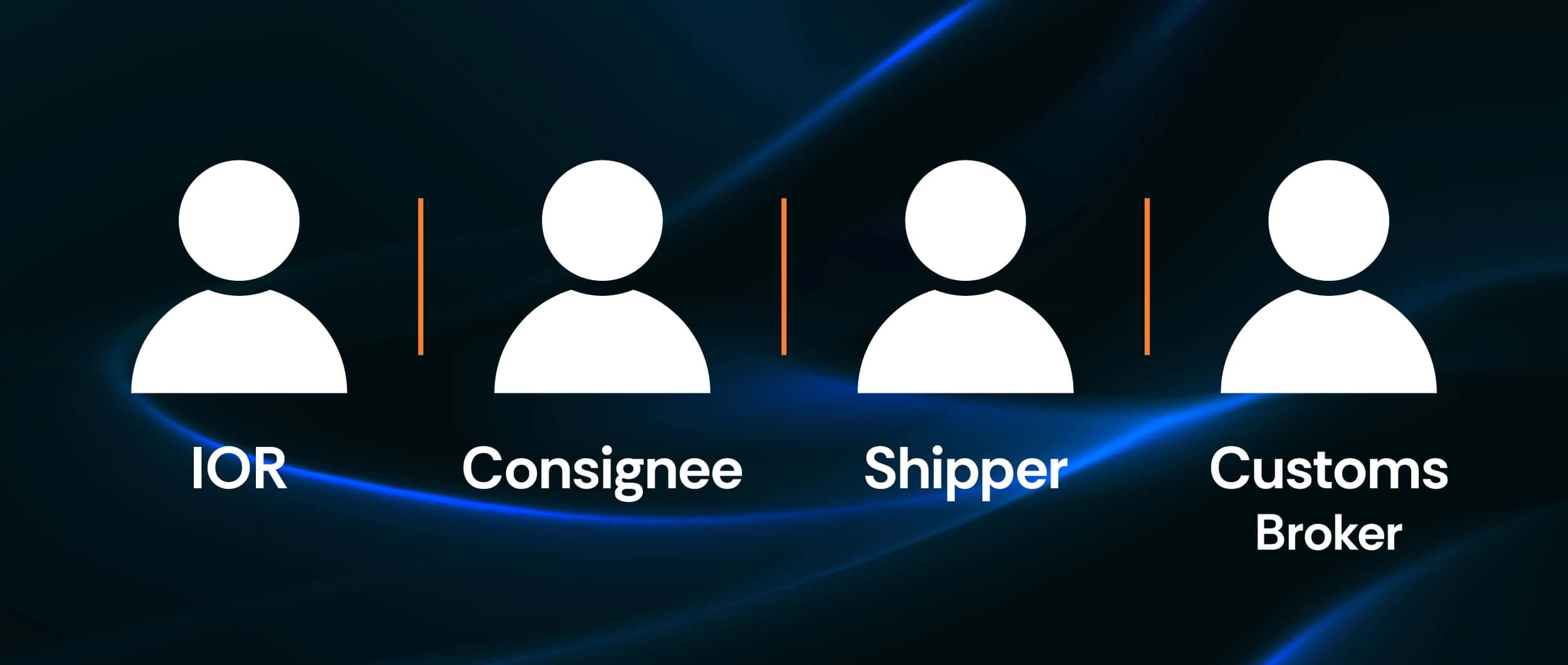
Most countries demand that the IOR be a locally registered company with a tax ID. For businesses without a local presence, appointing an IOR service provider is the solution.
Region | Key Requirement | Eligible as IOR |
|---|---|---|
USA | Registration with an EIN (Employer Identification Number) or a Customs Border Protection-assigned number | A U.S.-based entity holding an EIN; foreign companies may appoint a specialized IOR partner. Customs brokers can file paperwork, but are not legally the IOR. |
EU | An EORI (Economic Operator Registration and Identification) number is required for all customs operations |
In regulated medical sectors, the IOR must coordinate directly with health authorities such as TGA (Australia) and PMDA (Japan) before clearance is possible — see how this worked in practice in our APAC medical tech case study.
Many businesses mistakenly believe that the consignee, shipper, or even the customs broker can act as the Importer of Record. In reality, each plays a different role in the supply chain, but none carries the same legal and financial responsibility as the IOR.
IOR: The only party legally accountable for customs compliance. Responsible for paying duties and taxes, ensuring accurate documentation, and assuming full liability for clearance.
Consignee: The consignee role is the recipient of the goods. While they take delivery, they are not automatically recognized as the IOR unless they are a registered local entity.
Shipper (Exporter): The party sending the goods and preparing export documents. Their responsibility ends once the shipment leaves the origin country; they cannot act as IOR abroad.
EOR (Exporter of Record): The legal entity responsible for outbound compliance at origin — for a full breakdown, see what an exporter of record does and when your shipment requires one alongside the IOR.
Custom Broker: A licensed intermediary who files customs paperwork and facilitates clearance. They support the IOR but are not legally responsible for compliance.
Importing servers, telecom, or IT equipment?
We specialize in high-tech compliance and clearance.
Every cross-border shipment requires a legally accountable party. The Importer of Record takes on this role, ensuring customs compliance, covering duties and taxes, and securing necessary approvals. These responsibilities are as below:
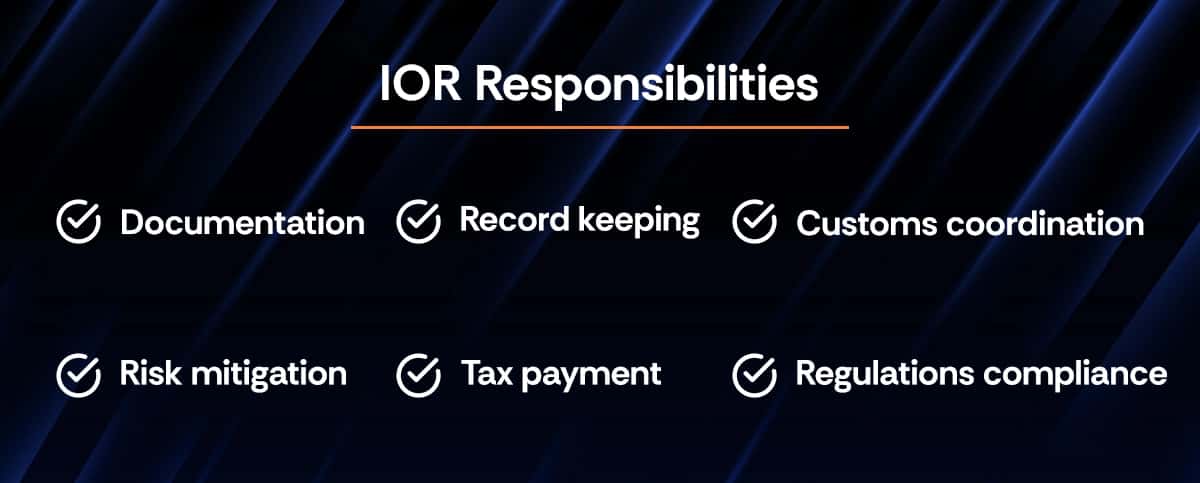
Documentation accuracy: Preparing and submitting correct entry summaries, commercial invoices, bills of lading, and permits.
Power of Attorney: In most jurisdictions, the IOR must hold a valid customs power of attorney — a legally binding authorization allowing them to file customs declarations and act on the importer's behalf at the border.
Payment of duties and taxes: Covering customs duties, VAT/GST, and other import-related fees.
Compliance with product-specific regulations: Securing approvals such as telecom equipment licenses, encryption permits, or other regulated certifications.
Record-keeping: Maintaining customs and compliance records for a minimum of 5+ years (varies by jurisdiction).
Liaison with customs authorities: Acting as the official contact point for inspections, audits, or clarifications.
Risk ownership: Assuming full legal and financial liability for compliance, protecting businesses from fines and disruptions.
Importing high-tech, telecom, and IT equipment requires more than shipping—it demands strict compliance at every stage. The IOR manages this process from start to finish, ensuring legal clearance and uninterrupted delivery.
Before shipment, the IOR identifies HS codes and duty rates to prevent misdeclarations and penalties.
Some products—especially telecom equipment, encryption tools, and IT hardware—require special permits or licenses. The IOR ensures applications are approved before shipment, avoiding delays.
High-tech, telecom, and IT equipment is rarely treated as ordinary cargo. Products like servers, routers, and wireless devices are often classified as dual-use goods, subject to export and import controls because of encryption, data sensitivity, or potential military application. This adds a compliance layer on top of standard customs duties and taxes.
EXAMPLE
Consider shipping servers. In Africa, clearance often requires a locally registered Importer of Record, with regulations differing from country to country. In contrast, the EU enforces harmonized standards such as CE marking, WEEE compliance, and restrictions on encryption technologies. Both shipments may involve the same product—servers—but the compliance path looks very different depending on the destination.
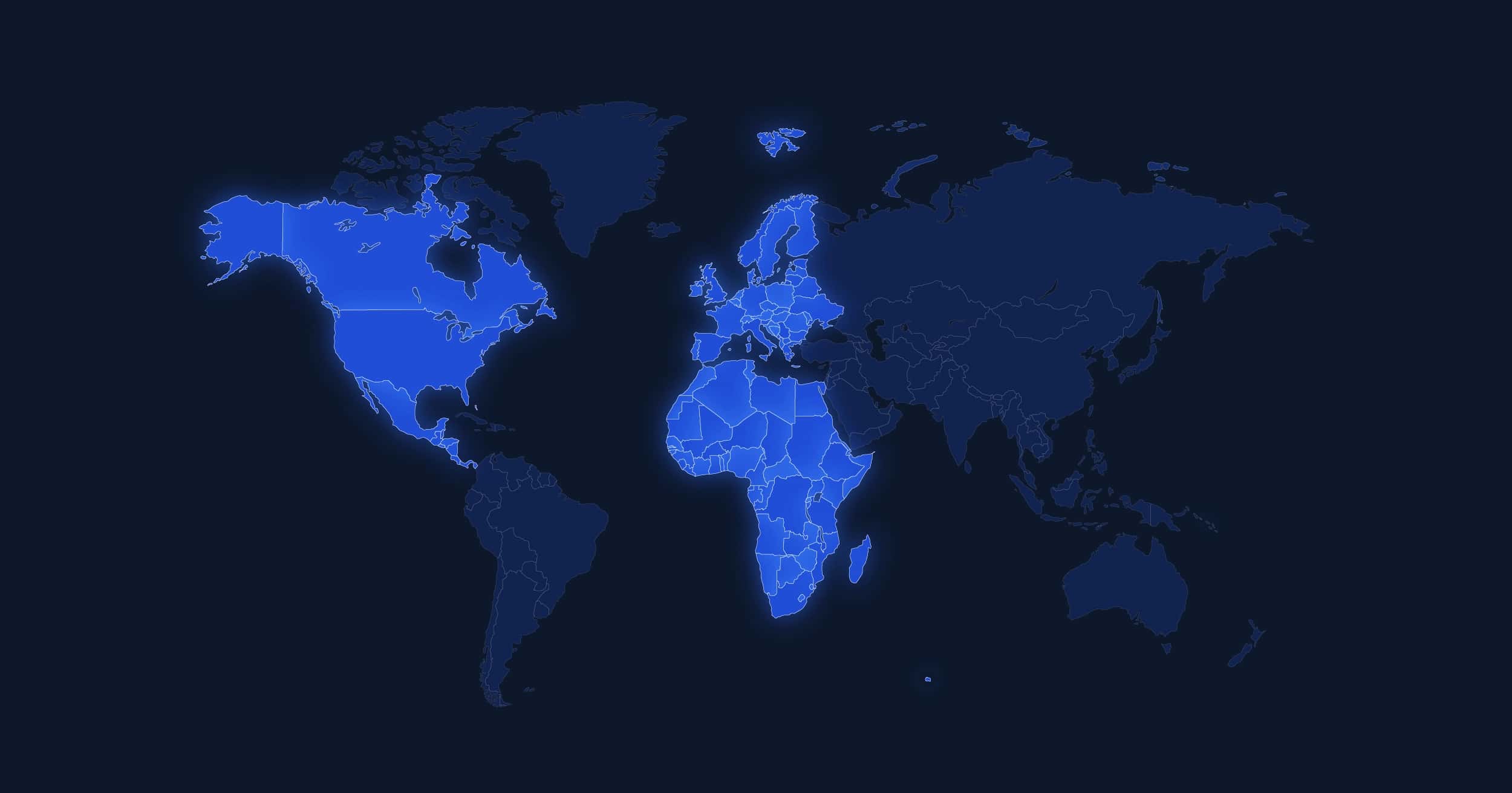
The role of the Importer of Record looks very different across markets, with each region enforcing its own rules and compliance requirements.
That’s why businesses entering the USA, navigating the EU, or expanding into Africa rely on specialized IOR partners to manage customs, licensing, and tax obligations while keeping shipments compliant and on time.
In the U.S., the Importer of Record must hold an EIN (Employer Identification Number) or a Customs Assigned Number. Importers are also required to post a customs bond, guaranteeing payment of duties and adherence to CBP import compliance America regulations — covering ECCN classification, FCC certification for IT and telecom equipment, FDA clearance for medical devices, and accurate recordkeeping maintained for a minimum of five years. The IOR ensures accurate documentation, tariff classification, and record-keeping.
Within the EU, every importer must have an EORI (Economic Operator Registration and Identification) number to conduct customs activities. The IOR also manages VAT on imports , ensuring correct payments. For high-tech goods, meeting CE marking and related directives (such as WEEE and RoHS) is mandatory before products circulate in the market.
Not every shipment requires an Importer of Record, but in certain situations, having a professional IOR partner can be the difference between smooth market entry and costly disruption. Companies should strongly consider professional IOR services when:
No local entity in the destination country: If your business lacks a registered presence, an IOR acts as the accountable party for compliance.
Regulated products: Imports such as telecom, IT, or medical equipment often require special permits and approvals.
First-time importing to a market: Navigating unfamiliar customs processes without experience can lead to delays and penalties.
High-value or time-critical shipments: When shipments cannot risk delays or seizure, a professional IOR ensures clearance without interruption.
Choosing the right Importer of Record partner is critical for smooth international trade. With IOR/EOR, you gain a trusted compliance partner backed by global reach and industry expertise.
Global coverage (170+ countries): Seamless IOR and EOR services worldwide, wherever your business expands.
Expertise in tech, telecom, and IT: Specialized knowledge in handling sensitive, high-value, and regulated equipment.
First-time clearance success rate: Proven track record of getting shipments through customs on the first attempt.
Compliance Risk Reduction: Protect Your Business from Penalties, Delays, and Shipment Seizures.
End-to-end logistics integration: From documentation to delivery, we manage every step for a hassle-free process.
Your business deserves more than just a shipping solution—it needs a trusted compliance partner. IOR/EOR provides compliant import representation across our global IOR network, covering 170+ countries — so wherever your next shipment is headed, a legally authorized importing entity is already in place.
No. The consignee is simply the delivery recipient, while the Importer of Record is the legally responsible entity for customs compliance, duties, and documentation.
Generally, no—unless they are willing to take on full responsibility, obtain the necessary licenses, and meet compliance requirements.
Yes. You can act as your own IOR if you have a legal entity in the importing country, a valid tax/customs ID, and are prepared to handle compliance and payment of duties/taxes.
It is the unique identifier used by customs to recognize the importer. Examples include the EORI in the EU, EIN in the USA, or a tax/customs registration number in other countries.
In Delivered Duty Paid (DDP) shipments, the seller or their appointed IOR is responsible for compliance, duties, and taxes, since the seller carries all import obligations.
Yes. Even for temporary shipments (e.g., exhibitions, testing, or repairs), customs requires an IOR to ensure clearance under temporary admission rules.

Any company established within the EU holding an EORI. Non-EU firms must designate a local representative, but still need a legal EU presence. |
Africa (e.g., Egypt) | Local incorporation and ownership requirements that vary by country | A locally registered company, sometimes with majority domestic ownership. International businesses typically work through third-party IOR providers to meet local laws. |
The IOR prepares and verifies invoices, packing lists, certificates of origin, and supporting documents. Incomplete paperwork is a common cause of clearance delays.
The IOR files the official customs declaration and supporting documents with the relevant authority. This submission is reviewed for compliance, and errors at this stage can stall clearance.
Once approved, the IOR ensures timely payment of import duties, VAT/GST, and tariffs so shipments move forward without disputes or release delays.
After duties are settled, goods are released and handed over for final transport. The IOR coordinates with logistics providers for safe delivery.
Compliance doesn’t end at delivery. The IOR keeps import records—invoices, declarations, permits, and proof of payments—for at least 5 years (varies by jurisdiction). These are critical for audits or investigations.
In Africa, requirements differ from country to country, but many nations impose local incorporation or ownership rules for the IOR role. Several markets also enforce telecom and IT licensing rules, overseen by bodies such as the National Telecom Regulatory Authority (NTRA) in Egypt. This makes it difficult for foreign businesses to import, which is why appointing a specialized IOR partner is often the most efficient solution — particularly in markets like South Africa, where SARS import compliance requires a locally registered Customs Client Number, ICASA telecom approvals, and SAHPRA licensing for medical devices, all managed under a single IOR framework.