Read More
2026-08-02 5 mins read
1PL, 2PL, 3PL, 4PL, 5PL: The Logistics Tiers Explained and Where the Importer of Record Fits
Read More

Importer of Record
Every shipment tells a story. But for many businesses, the plot twists appear at customs: unexpected fines, delayed deliveries, or even seized equipment. Why? Because two roles in global trade are often misunderstood — the Importer of Record (IOR) and the consignee. At first glance, they might seem similar, but their responsibilities are very different.
The Importer of Record is the legal guardian of compliance, responsible for ensuring your goods meet customs regulations and clear the border. The consignee, on the other hand, is simply the recipient — waiting for the shipment to arrive. Confusing the two can create serious compliance issues, disrupt timelines, and put entire projects at risk.
Defining the roles of Importer of Record and consignee keeps shipments compliant and on schedule. With the full-service importer of record solutions handling customs and the consignee receiving goods, businesses avoid delays, penalties, and costly disruptions.
Smooth trade begins with clarity — make sure your next shipment clears without setbacks.
The Importer of Record is the entity legally responsible for ensuring that imported goods comply with all customs laws and regulations. This includes proper documentation, payment of duties and taxes, and adherence to product standards. For a full breakdown of roles, requirements, and when you need one, see our IOR complete guide.
EXAMPLE
A tech company ships a batch of IT servers overseas. When the shipment reaches customs, officials request FCC compliance documents, payment of duties, and proper clearance filings. The consignee is ready to receive the goods, but they can’t step in. It’s the Importer of Record (IOR) who takes responsibility, handles the paperwork, pays the taxes, and ensures the servers are released without delay.
The consignee is the party that receives the goods once they have goods cleared through customs. Typically, this is the buyer, distributor, or end-customer. The consignee is identified on the bill of lading as the delivery recipient.
EXAMPLE
A distributor orders telecom equipment abroad. Once customs clearance is complete, the shipment is released and delivered to the consignee listed on the bill of lading. The consignee accepts the goods, checks that the equipment matches the shipping documents, and stores it before distributing to retailers. If damages are found during delivery, the consignee raises the issue with the carrier.
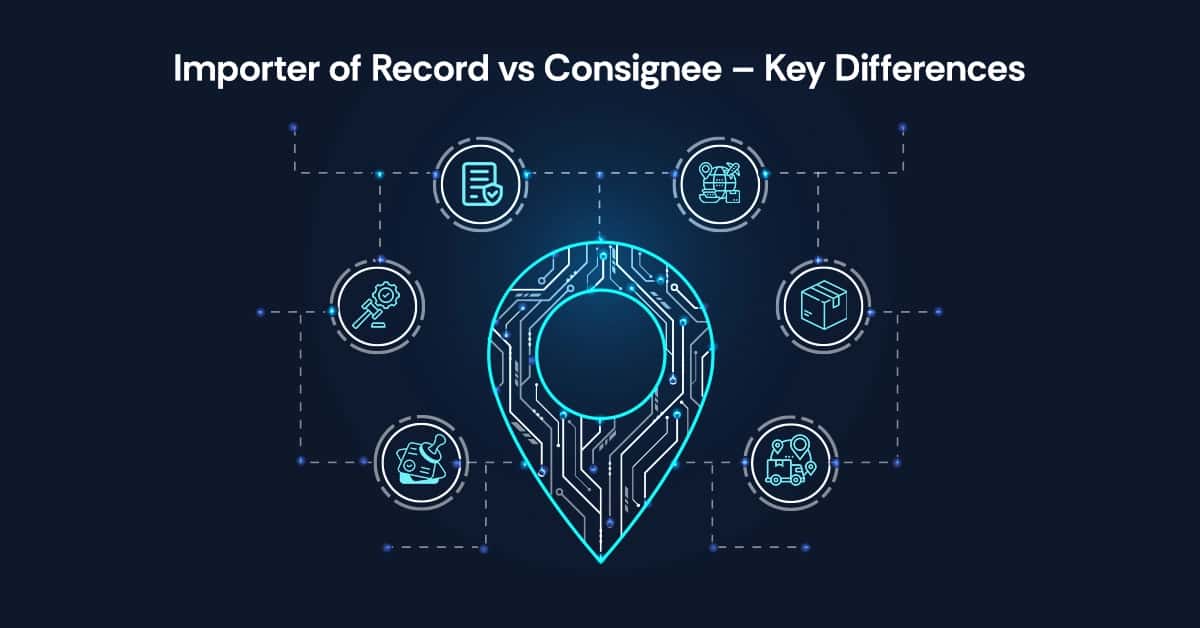
In global trade, the Importer of Record (IOR) and the consignee play roles as distinct as infrastructure and end-user in a tech system. The IOR operates in the background, managing compliance, filings, and customs clearance, much like the backbone that keeps systems running. The consignee is the visible endpoint, the recipient who takes over once everything is cleared and ready to use. In the table below, we outline how these two functions complement each other, yet remain very different.
Factor | Importer of Record (IOR) | Consignee |
|---|---|---|
Legal Responsibility | Acts as the legal entity responsible for customs compliance, regulations, and clearance. | Designated recipient of the shipment once customs release is granted. |
Duties & Taxes | Pays import duties, VAT, and tariffs to ensure goods are legally admitted. | Not responsible for these costs; receives goods after clearance. |
Smooth trade depends on clarity.
Clear compliance and documentation keep shipments moving without interruption.
Make clarity your advantage with the right Importer of Record partner.
The Importer of Record and the consignee are often linked to the same shipment, but their responsibilities are not identical. In some cases, a consignee may also serve as the IOR, taking on compliance and clearance duties. In other cases—particularly in regulated industries—the two roles are deliberately separated to reduce risk and ensure smooth customs processing.
A global tech company imports networking servers for its own operations. Because it has a registered entity in the destination country, it can act as both the Importer of Record and the consignee. It files the paperwork, pays the duties, and then receives the shipment directly into its data centers.
A software vendor ships hardware to a customer overseas. The customer is the consignee — the one waiting for delivery. But since the customer has no local entity, the vendor appoints a third-party Importer of Record to step in, handle customs clearance, and take on compliance risk before the goods are released.
Q: When should the Importer of Record and consignee be the same?
This works best when the consignee has a legal entity in the destination country and the goods are being imported for internal use, such as office equipment, production lines, or company data centers. In this case, it’s simpler and more efficient for the consignee to take on both roles.
Q: When should they be different?
The roles should be separated when the consignee does not have a local entity or when goods are subject to strict regulations (e.g., telecom, medical, or aviation equipment). In these cases, a specialized Importer of Record assumes liability, manages the paperwork, and pays duties, while the consignee focuses only on receiving the shipment.
Understanding who the consignee is (as distinct from the IOR) is easier once you have a clear PL ladder overview of how logistics providers are ranked.
Despite their separate core functions, both the IOR and consignee share accountability in areas that directly impact smooth trade operations.
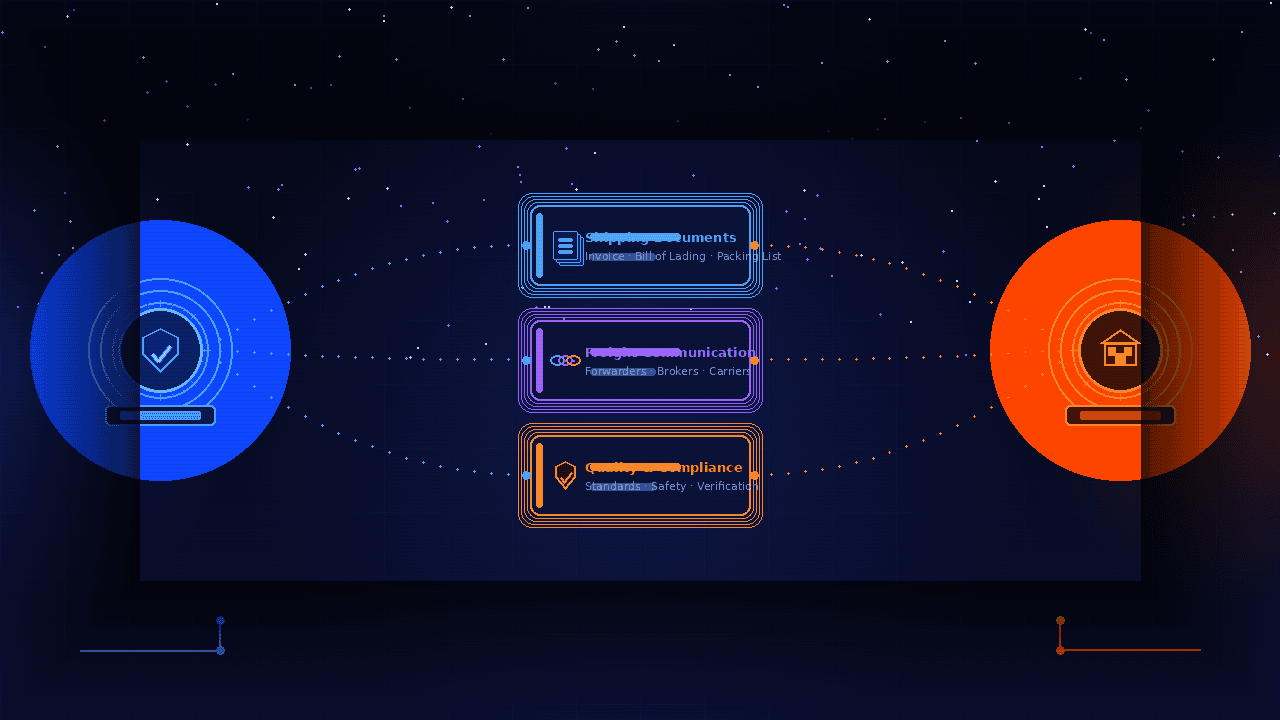
Checking that shipping documents (invoice, bill of lading, packing list) are accurate
Communicating with freight forwarders, brokers, or carriers to keep shipments on track
Making sure goods meet quality, safety, and compliance standards
A US Commerce Department spokesperson told Investopedia , “The Biden AI rule is overly complex, overly bureaucratic, and would stymie American innovation.” They continued, “We will be replacing it with a much simpler rule that unleashes American innovation and ensures American AI dominance.”
In industries like IT, telecom, medical, and aviation, compliance requirements go beyond standard paperwork. These sectors demand licenses, certifications, and precise customs filings. Unlike consignees, who simply receive shipments, an IOR assumes full legal responsibility for clearance, ensuring goods meet every regulatory checkpoint. This is why importers turn to IOR services when mistakes are not an option.
When to Appoint a Professional IOR Instead of a Consignee?
You don’t have a local legal entity in the destination country
Shipments involve regulated or restricted goods (e.g., servers, telecom, medical devices, aerospace parts)
High-value technology requires precise classification to avoid penalties
Compliance records must be maintained for audits and inspections
The Importer of Record (IOR) and the consignee serve different purposes: one ensures compliance, the other receives the goods. Treating them as interchangeable can expose businesses to unnecessary risks, but recognizing their distinction creates smoother, safer trade.
At IOR/EOR, we bridge that gap by acting as your trusted Importer of Record across 170+ countries. With us, you gain peace of mind that every shipment clears the border the first time.
Get in touch with IOR/EOR today and take the complexity out of global imports.
The Importer of Record is responsible for paying duties, tariffs, and VAT. The consignee does not handle these payments unless it is also acting as the IOR.
A freight forwarder may be listed as a consignee for logistics purposes, but they are rarely the IOR unless they explicitly assume legal liability and meet all regulatory requirements.
The consignee is identified on the bill of lading as the party authorized to receive the shipment. The IOR may also appear in customs records but is not typically the consignee on the bill of lading.
Only if the consignee is also the Importer of Record. If not, the consignee cannot clear customs on its own — that responsibility lies with the IOR.


Filing customs paperwork
Paying duties and taxes
Securing licenses/permits
Keeping import records
Receiving the shipment
Verifying that goods match shipping documents
Storing and distributing goods
Handling delivery issues such as damages or delays
Customs Documents | Prepares and files entry forms, HS codes, and required supporting paperwork. | May review documents, but does not submit or process them. |
Ownership | Holds temporary ownership until goods are fully cleared through customs. | Assumes final ownership and control once shipment is delivered. |
Risk | Liable for penalties, delays, or shipment seizures if compliance obligations are not met. | Liable only for issues after delivery, such as damages or discrepancies. |
Timelines are critical, and delays could disrupt business operations