
Read More
2026-08-02 5 mins read
1PL, 2PL, 3PL, 4PL, 5PL: The Logistics Tiers Explained and Where the Importer of Record Fits
Read More

Trade Compliance
Your shipment can be perfectly packed, documented, and tracked — and still not move an inch without one key document: the Power of Attorney (POA). Customs won’t release your goods unless someone is legally authorized to act on your behalf.
In this guide, we’ll explain what a customs POA does, who can sign it, and how to set it up so your imports and exports clear smoothly, every time.
A customs Power of Attorney gives a licensed party — your broker or Importer of Record (IOR) — the legal right to act on your behalf in customs transactions. It’s what allows your representative to manage declarations, communicate with authorities, and keep shipments moving compliantly — which is precisely what structured IOR legal representation provides when you have no local entity in the destination country.

A Customs POA authorizes your representative to:
File import and export declarations.
Classify goods using HS/HTS codes.
Pay customs duties, VAT, and related taxes.
Sign and submit customs entry documents.
Communicate with border and tax authorities.
Request post-entry corrections or duty refunds.
Quick terms to know:
Customs business: Activities like import entry, classification, valuation, and payment of duties.
Principal: The importer or exporter granting authority.
Agent: The authorized broker, freight forwarder, or IOR acting under POA.
A Power of Attorney (POA) is only valid when signed by someone legally authorized to represent the company. Customs authorities use this signature to confirm that the person granting authority has the power to do so on behalf of the business.
A company officer or director (CEO, CFO, COO).
An authorized signatory listed in corporate records.
A legal representative for a foreign entity (often supported by notarized proof).
In some corporate structures, two officers may need to co-sign for the POA to be valid.
Legal entity name and registered address.
Business registration or jurisdiction of incorporation.
Tax Identification Number or Importer ID.
Signatory’s full name, title, and signing capacity.
Date, signature, and notarization (if required by local law).
Note: Always confirm signature authority internally before signing. A POA signed by an unauthorized individual may be rejected by customs, causing delays.
You’ll need a Power of Attorney anytime someone else handles customs activity in your name.
Using a customs broker or IOR – Required to authorize third-party representation with customs
Importing regulated goods – Telecom, medical, aviation, and automotive imports often demand legal authorization.
RMA, repairs, or returns – For temporary imports/exports or goods under warranty, proper EOR export documentation ensures the outbound shipment is legally filed and compliant before the POA can take effect at the destination.
Operating without a local entity – When a global supplier relies on an IOR to manage local compliance.
Type | What It Covers | When to Use | Notes |
|---|---|---|---|
General POA | Broad authorization for all customs actions. | Continuous import/export operations. | Manage expiry or revocation dates clearly. |
Limited / Specific POA |
Tip:
Use limited POAs for project-based shipments to reduce exposure while staying compliant.
POA requirements can look very different depending on where you trade. Some countries demand notarization and translations, while others accept a simple signed authorization. Understanding these distinctions early helps prevent clearance delays or document rejections.
Country | Typical Practice |
|---|---|
United States | Customs brokers must hold a valid POA to transact customs business on behalf of an importer. Required by U.S. Customs and Border Protection (CBP). |
Brazil | A POA is mandatory for customs representation and must often be notarized, legalized, and translated into Portuguese. |
Creating a valid Power of Attorney for international shipping is straightforward when you know what to include. Follow these five steps to make sure your authorization is accepted globally and avoids clearance delays:
Choose the customs broker, Importer of Record (IOR), or logistics partner who will act on your behalf. Make sure they are licensed or recognized by the local customs authority.
Decide whether you need a general POA (for ongoing operations) or a limited POA (for a specific shipment or time period). Scope clarity prevents misuse and simplifies revocation.
Even experienced importers can make errors that invalidate a Power of Attorney or slow down customs clearance. Avoid these common pitfalls by applying simple preventive checks:
Missing or Incorrect Entity Details → Always verify company name, tax/Importer ID, and registration number before submission — errors here are one of the most common triggers for resolving customs holds that could have been entirely avoided with a pre-submission compliance check.
Over-Broad Authority Without an End Date → Limit scope or include expiration terms to prevent unauthorized use over time.
Outdated POA After Corporate Changes → Update or reissue your POA after mergers, acquisitions, or name changes to maintain validity.
Tip:
A quick compliance review with your IOR or customs broker can help ensure your POA meets both legal and operational standards—before your shipment reaches the border.
Getting your Power of Attorney right means staying in control of your international shipments. With the correct authorization, your broker or IOR can act quickly, clear goods smoothly, and keep your business compliant across borders.

A complete POA = faster clearance, fewer delays, and total trade confidence.
Not always. If you use a customs broker or Importer of Record (IOR) to transact customs business, a POA is typically required. However, if you self-clear and act as your own importer, it may not be necessary.
Yes—if the document explicitly authorizes them to do so and local customs laws allow it. Always confirm with your broker or compliance partner.
It depends on the terms written in the document and local jurisdiction. Best practice is to include a defined validity period and clear revocation procedure.

Creative Marketing Director specializing in the operational side of global trade. He writes about compliance documentation, clearance and import processes, industry and regulatory updates, and the day-to-day logistics that keep shipments moving, turning dense procedural detail into guidance teams can actually act on.
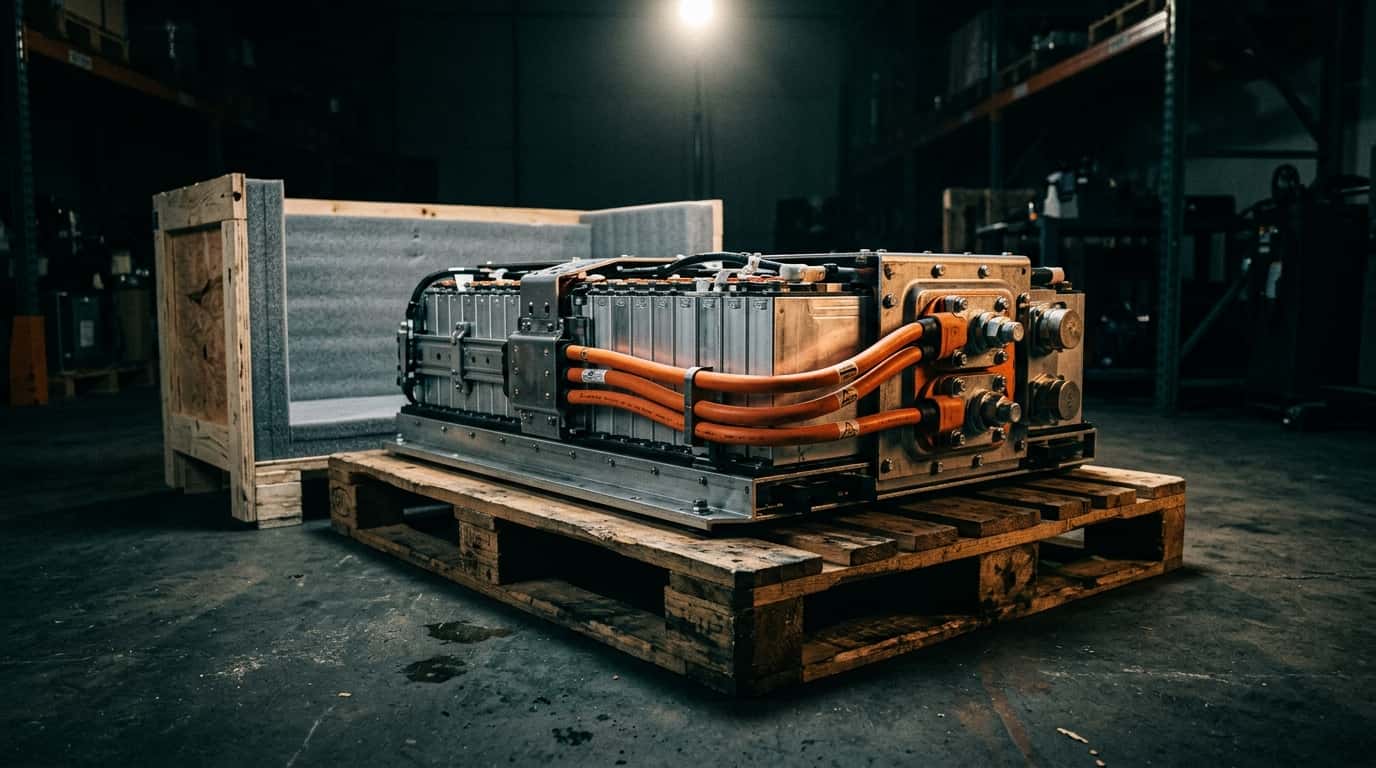

Multi-party or drop-shipment models – When multiple companies are involved in ownership or delivery.
Narrow authorization for a defined shipment, time period, or product. |
One-time projects, high-value shipments, or regulated goods. |
Easier internal approval; faster processing. |
India | Written POA required for customs brokers acting on behalf of importers. PAN and IEC numbers must match the importer’s registered details. |
China | POA typically required for any agent to represent a foreign importer; documents must be in Chinese and stamped with the company chop. |
Germany | Customs representatives need a signed authorization letter or POA; electronic signatures are increasingly accepted through the ATLAS system. |
United Arab Emirates (UAE) | Companies operating through free zones or local agents must issue a POA in Arabic (or bilingual) format, often notarized or attested by the Chamber of Commerce. |
Switzerland | Written authority is required for customs agents; non-resident companies often need notarization or legalization for validity. |
Include full legal entity details, registration number, tax/Importer ID, address, and the precise wording of the authority granted. Clearly define what the representative can and cannot do.
Ensure that the signatory has legal authority to bind the company. In some countries, the document must be notarized, attested, or translated before it’s accepted by customs.
Provide the signed document to your broker or IOR, and keep a copy in your compliance records. Many jurisdictions require you to present it during audits or renew it periodically.
Translation or Notarization Gaps → Confirm early whether your destination country requires notarization, legalization, or translation for the POA to be accepted.