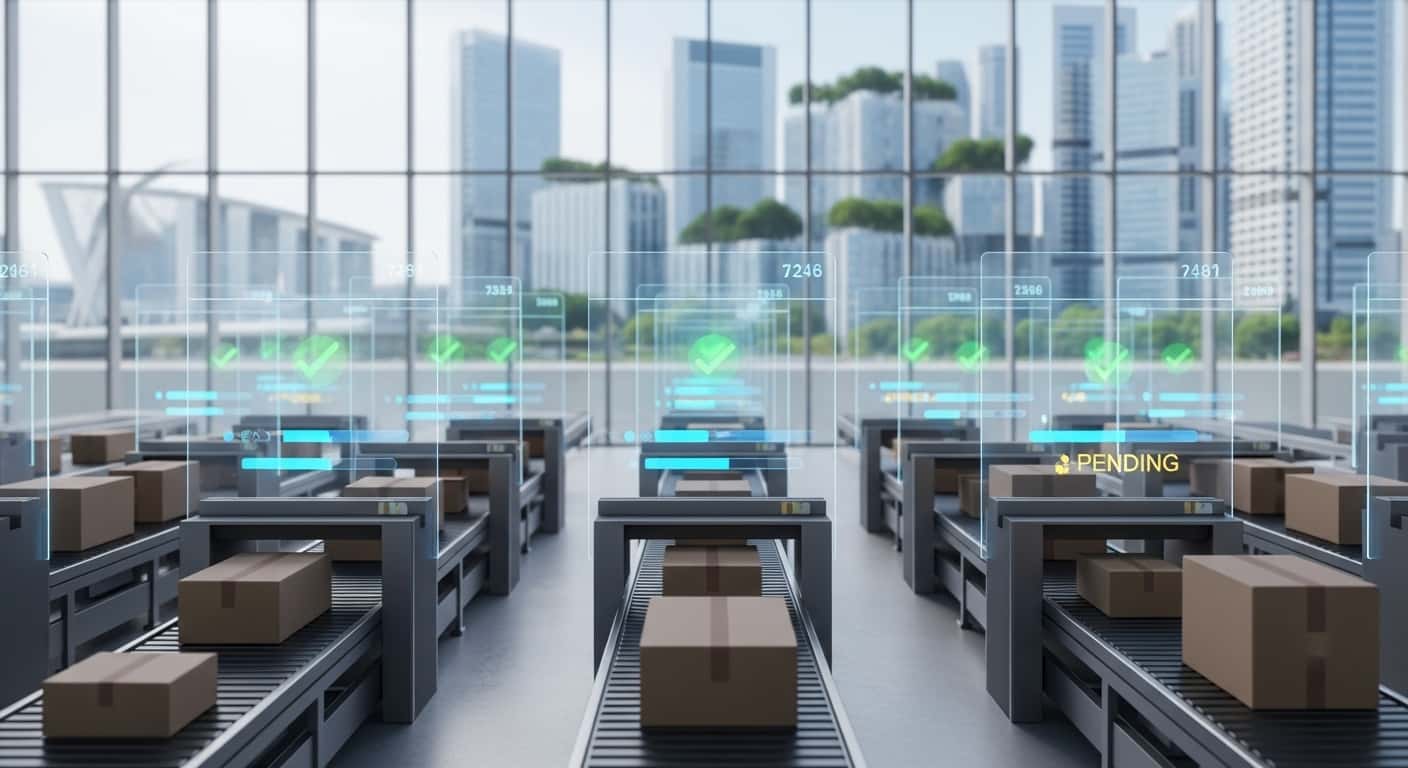
Singapore is one of the world’s most advanced trade hubs, known for its efficient customs system, strategic location, and strong regulatory framework. However, importing and exporting goods still requires strict compliance with local regulations—including UEN registration, IMDA approvals, and GST payments.
For companies shipping IT, telecom, medical, or aerospace equipment, these requirements can create operational complexity. With an experienced IOR/EOR partner, you can operate in Singapore without a local entity while ensuring full compliance, fast clearance, and predictable costs.
In Singapore, the importer of record Southeast Asia is responsible for ensuring all import regulations are met, while the Exporter of Record (EOR) handles outbound compliance and documentation.
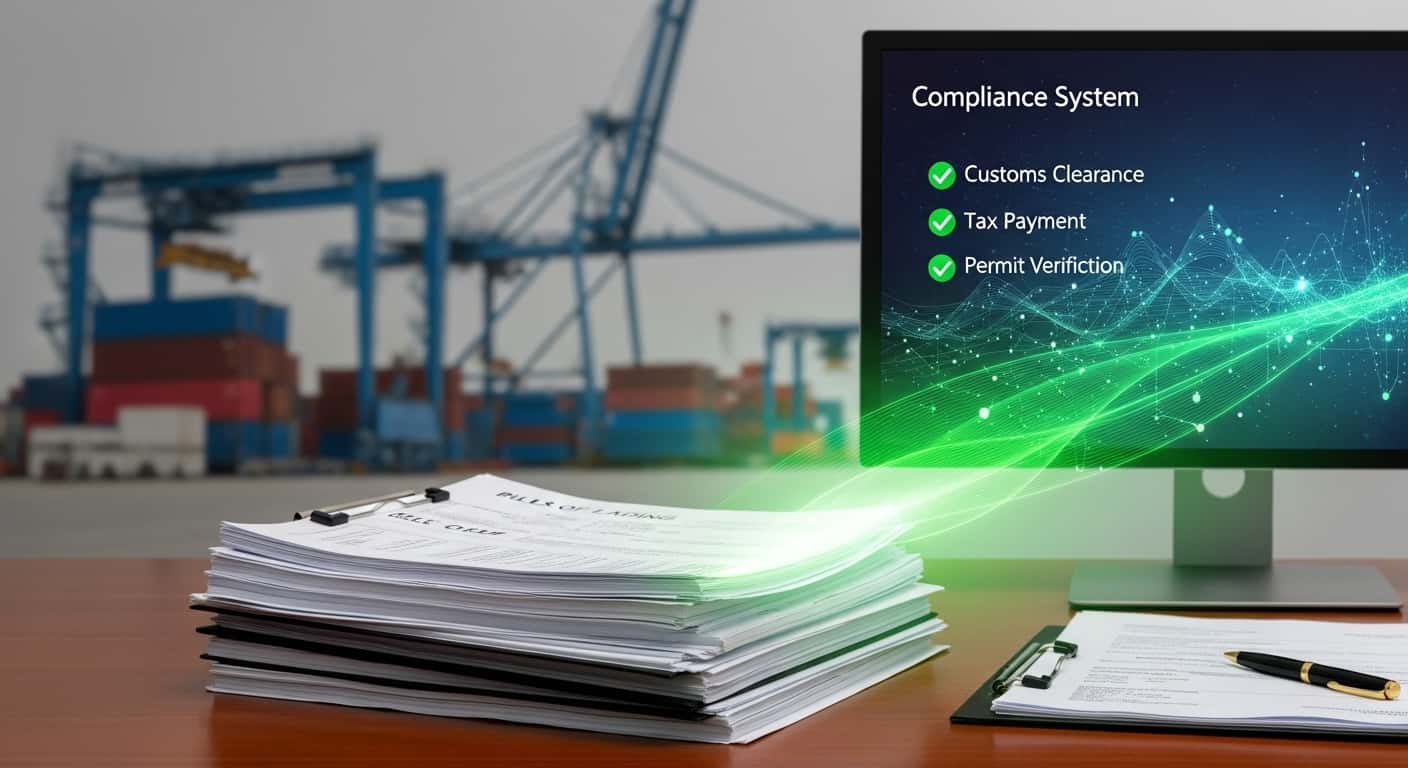
Our responsibilities include:
Acting as your licensed importer/exporter under Singapore Customs
Registering and maintaining a UEN (Unique Entity Number)
Managing customs permits via TradeNet
Securing IMDA approvals for telecom and network equipment
Handling Strategic Goods Control permits for dual-use items
Calculating and paying duties and GST
Maintaining records for IRAS audit compliance
Indicator | Details |
|---|---|
GST | 7% (increasing to 9%) |
Import Duties | 0–5% (many goods are duty-free) |
Clearance Time | 1–3 working days |
Regulatory Authorities | Singapore Customs, IMDA, NEA, CAAS |
Top Import Sectors | IT, Telecom, Medical, Aerospace |
You should use an IOR/EOR service if:
You don’t have a local entity or UEN
You’re importing telecom or network equipment requiring IMDA approval
You’re shipping controlled or dual-use goods
You’re importing used or refurbished equipment (NEA regulations apply)
You need DDP (Delivered Duty Paid) shipping with clear landed costs
You require temporary imports under bonded or ATA Carnet schemes — or are managing reverse logistics Southeast Asia returns, repairs, and replacements that require structured RMA compliance before goods leave or re-enter Singapore.
Sector | Needs | Our Support |
|---|---|---|
IT & Data Centers | IMDA approval, strategic goods classification — both central elements of IMDA compliance that technology and data center operators must satisfy before IT equipment can be legally cleared and deployed in Singapore. | Permit handling, bonded storage, customs clearance |
Telecom & IoT | Device registration, licensing | Approval coordination and documentation |
Medical Devices | HSA compliance and import permits | Registration and clearance support |
Aerospace | Strategic goods control, CAAS permits | Export licensing and compliance |
Understanding GST & Import Compliance in Singapore
Delivered Duty Paid (DDP) services help manage all import requirements and costs — understanding GST on imports Singapore, including how it is calculated on CIF value plus duties and when bonded schemes may defer it, is essential before committing to a DDP structure. Including:

Regulatory requirements
GST, IMDA, Strategic Goods Control, TradeNet system, and IRAS compliance
Duties & taxes
0–5% import duty, 7%–9% GST on CIF + duties, plus variable excise (alcohol, fuel, tobacco)
Compliance risks
Non-compliance may cause shipment delays or financial penalties
Key considerations
GST applies on total landed cost; bonded schemes may defer GST
DDP advantage
Prepaid duties and taxes ensure smooth clearance and cost transparency
Enter your email to receive the PDF download link.

Legal representation as Importer & Exporter of Record
TradeNet permit applications
IMDA, NEA, and CAAS approval handling
Duty and GST payment management
Temporary imports and bonded logistics
Real-time shipment tracking and compliance reporting
Deep experience with Singapore Customs, IMDA, and strategic goods
Operate in Singapore under our licensed structure
From permits to delivery, fully managed
DDP Cost Control
All duties and GST are handled upfront
Specialized in IT, telecom, and medical equipment

Singapore offers unmatched efficiency for global trade — but compliance is key. With IOR/EOR services, you gain a trusted partner to manage permits, GST, and customs requirements — ensuring fast, compliant, and hassle-free imports and exports.
See how we handled IT deployment compliance SEA in a real data center deployment across the region.
Yes, importing into Singapore requires a locally registered entity with a valid UEN (Unique Entity Number). If you do not have a local presence, you will need to appoint an Importer of Record (IOR) service provider to handle the import process and ensure compliance with local regulations.
Goods and Services Tax (GST) in Singapore is calculated based on the CIF (Cost, Insurance, and Freight) value of the goods, plus any applicable import duties. The standard GST rate is applied to this total value at the point of import.
Strategic goods refer to dual-use items that can have both civilian and military applications. These goods are regulated and may require special permits from relevant authorities before they can be imported, exported, or transshipped.
Yes, telecommunications and wireless devices must be approved by the IMDA (Infocomm Media Development Authority) before they can be imported, sold, or used in Singapore. This ensures compliance with technical and safety standards
Yes, importing used equipment is generally allowed. However, depending on the type of goods, approvals or permits from agencies such as the NEA (National Environment Agency) may be required, particularly for items that could impact environmental or health standards.
Customs clearance is typically very efficient and takes 1 to 3 working days, provided all documentation is complete and there are no inspection or compliance issues.